

Price paid directly to the producer
We paid Carlos $5.50 USD/lb for this lot in February 2023, at the time of the purchase agreement.
This price is determined based on his production costs (labor, products, transportation), rather than the C market price, with a decent margin to ensure the viability of his work.
But this relationship goes far beyond the price received. It’s a long-term commitment, designed to provide financial stability for Carlos and to contribute to the sustainability of coffee farming.
In Central America, more than 80% of producers are small-scale—building a sustainable model starts here.
Flavour: Raisins - Cascara - Maple Syrup
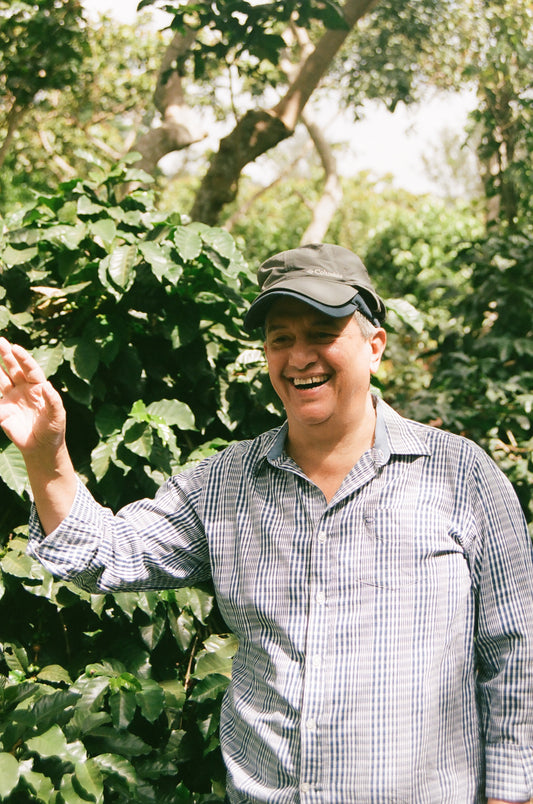
Producer: Carlos Pola
Farm: Las Brisas
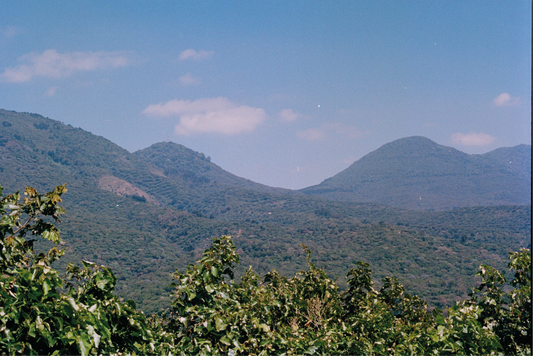
Region: San Juan de Dios, Juayúa, El Salvador
Variety: Pacas
Process: Natural Anaerobic
Lot: 1217 lbs (4 x 35 kg)
Altitude: 1350m
"Natural Anaerobic"
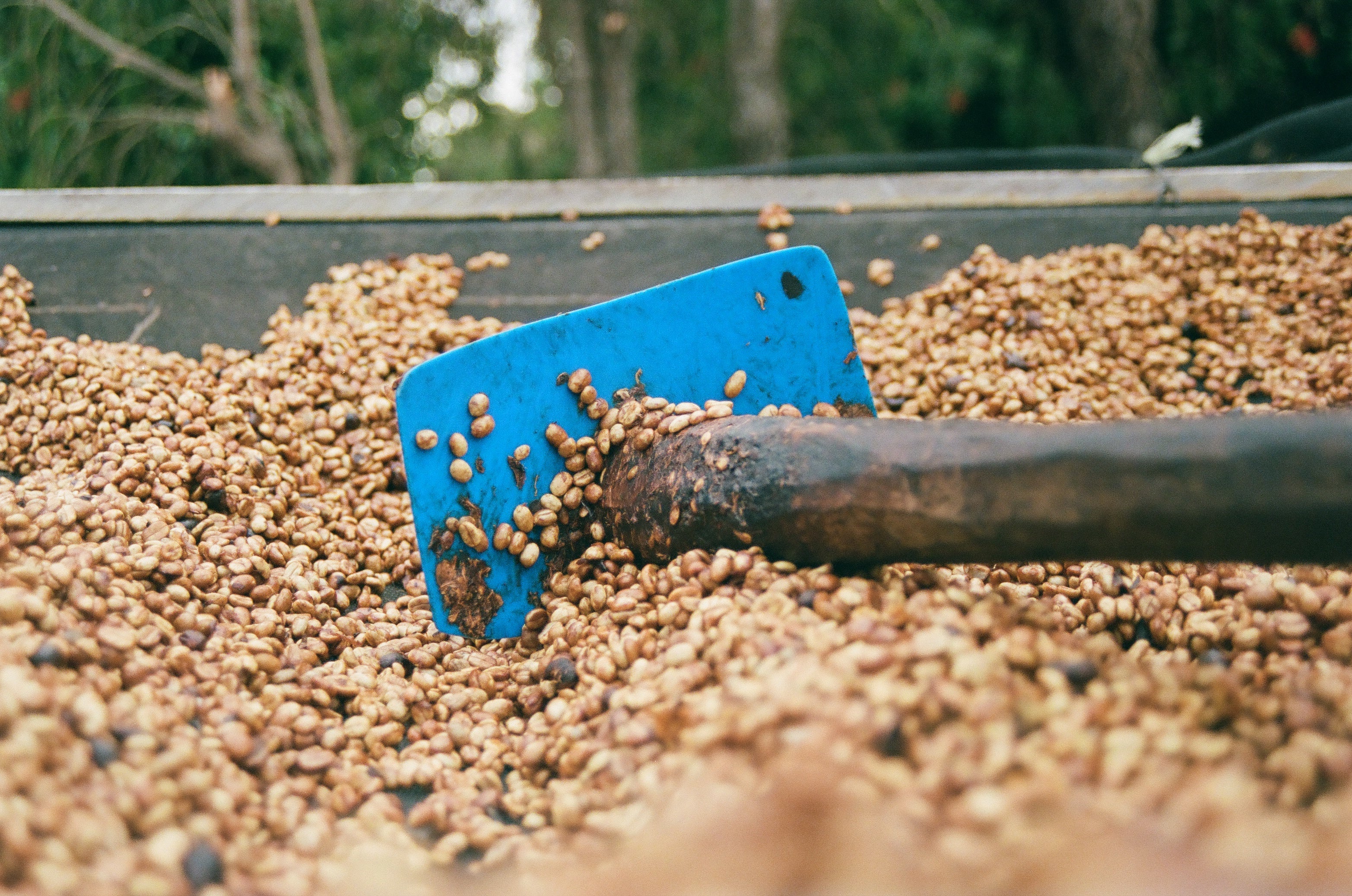
The natural anaerobic process is a cutting-edge treatment method that pushes the boundaries of coffee’s aromatic profile. To put it simply, it involves freshly picked whole cherries placed in airtight tanks deprived of oxygen to ferment before drying.
The absence of oxygen encourages the development of unique microorganisms and allows for precise control of temperature and pH during fermentation. During this process, the sugars from the whole cherry deeply penetrate the bean, creating intense and complex flavors, often comparable to notes of tropical fruit, wine, or cinnamon. Once this step is complete, the cherries are removed from the tanks to dry slowly in the sun, perfecting their rich and textured profile.
The Producer: Carlos Pola
We have known Carlos since 2016 and began purchasing his coffee at the very start of Fantôme, in the summer of 2019. A pioneer of regenerative agriculture, he works in harmony with nature and never hesitates to take risks to give back as much as possible to the Earth. His small laboratory in Juayúa is a true hub for exchange and sharing, which we are fortunate to visit regularly.
Environment & Sustainability
Carlos stands out for his deep commitment to minimizing the environmental impact of his coffee production:
- Natural Fertilizers: Instead of using the non-organic fertilizers widely used on Salvadoran farms, he utilizes natural elements such as mycorrhizae. This fungus colonizes the roots, helping the coffee plant better absorb nutrients and increase its tolerance to environmental stressors such as drought.
- Water Management: Thanks to a water recovery and purification system, he irrigates his plantations with water previously used during the processing of his washed coffees.
¡GRACIAS CARLOS POR SUS CAFÉS!